
Next Gen Automation: Feature Spotlight
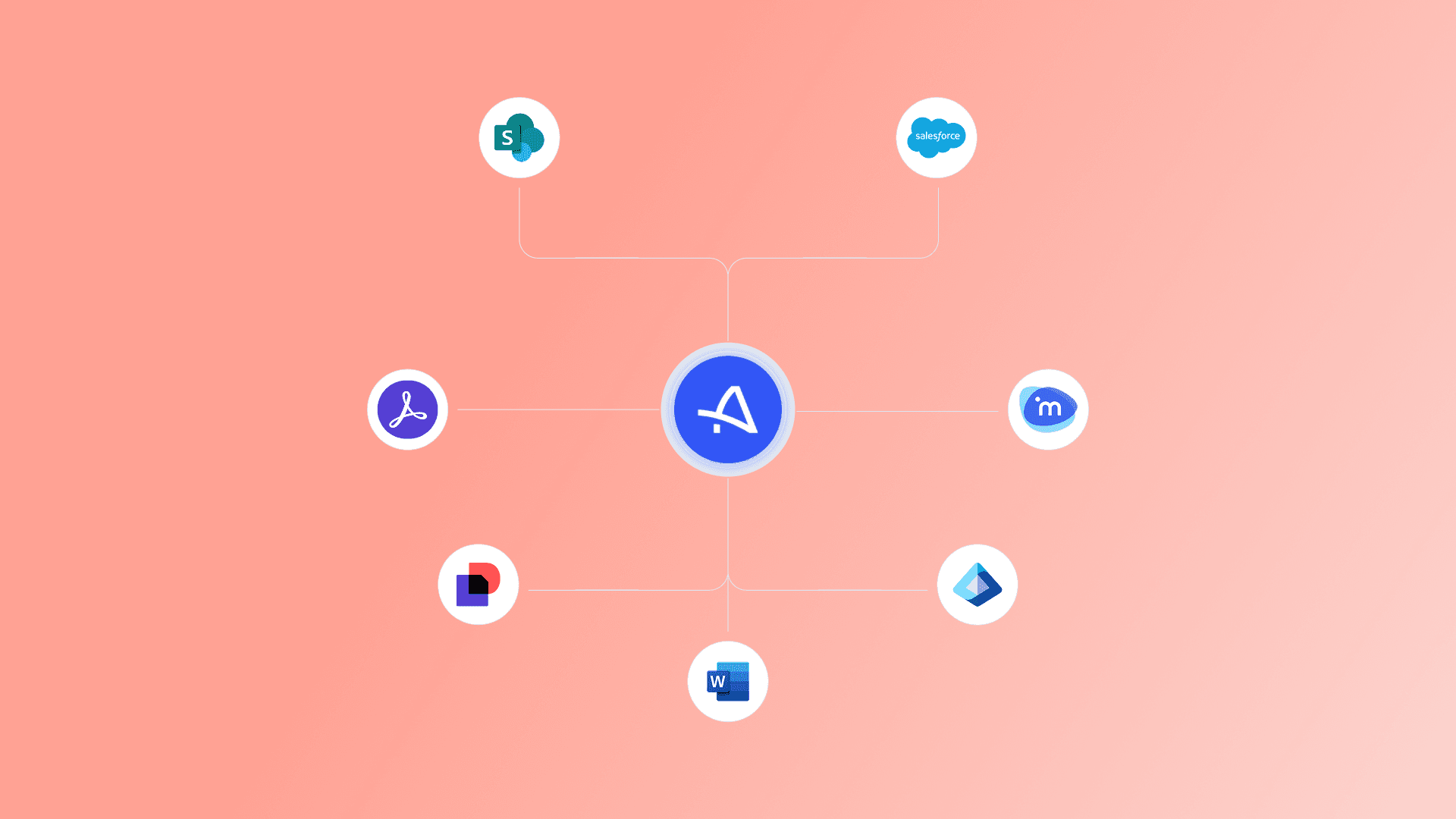
External Queries connects Avvoka templates directly to source systems, so documents begin with the information they need already in place.
Legal drafting often begins with information that already exists somewhere else.
Client details, company numbers, property records, transaction data. All of it already lives in systems across the organisation or in public registers. Yet drafting workflows require that information to be located, copied, and inserted into documents before work can properly begin.
That extra step introduces friction into otherwise structured processes. It also reduces risk: information can be copied incorrectly, validated later than it should be, or become outdated between entry and execution.
Modern drafting workflows increasingly aim to remove that gap between source data and the document itself. Avvoka’s External Queries capability supports exactly that shift.
Connecting documents to the data behind them
External Queries allows Avvoka templates to retrieve information directly from connected data sources at the moment of drafting.
Instead of leaving a document workflow to search for information in other systems, the template can pull the required data automatically and populate the relevant fields.
Documents begin with the information it needs already in place.
Supported sources include:
Internal databases and knowledge management systems
CRM platforms
Public registers such as Companies House and HM Land Registry
Using Avvoka’s flexible API, these connections can be configured without complex infrastructure changes, allowing teams to integrate document workflows with the systems where operational data already lives.
The result is simple but powerful. Drafting begins with verified data rather than manual entry.
Moving validation upstream
When information is entered manually, verification tends to happen later in the process.
Someone must confirm that the right company number was used. That the correct property reference was inserted. That the data is still current.
External Queries shifts that validation upstream.
Because the document retrieves information directly from the authoritative source system, the document is populated with the most up-to-date data available at the moment of drafting.
Instead of verifying copied information, teams confirm that the retrieved data is correct for the transaction at hand.
The workflow moves from entering information to confirming it.
What this changes for legal teams
Connecting documents directly to source systems changes several aspects of document production.
Accuracy
Data is pulled directly from the system where it is maintained, rather than being re-entered manually. This reduces the likelihood of transcription errors and allows review effort to focus on legal substance rather than field verification.
Scale
As document volume increase, the amount of manual data entry does not increase with them. Producing ten documents no longer requires entering the same information ten times.
Governance
Using connected sources improves traceability. Teams can see where information is originated, when it was retrieved, and which system supplied it. This supports internal controls, compliance requirements, and auditability.
Drafting as part of connected workflows
Legal drafting is increasingly part of wider operational workflows rather than a standalone task.
Information used in documents already lives in surrounding systems. As organisations standardise templates and automate document production, those systems increasingly become the operational source of truth.
What changes is where the document sits in that process.
Instead of starting with a blank template and gathering information manually, drafting can begin with structured data retrieved directly from those systems.
External Queries supports this shift by allowing templates to pull the information they need at the moment drafting begins.
Documents become the output of connected workflows rather than the starting point of them.
Where External Queries has the most impact
External Queries is particularly valuable in environments where document generation depends heavily on structured data.
For example:
Legal teams embedded in commercial workflows
Legal operations teams focused on standardisation and governance
Transactional practices working with repeated entity or property information
Organisations producing high volumes of data-driven documents
In these contexts, the constraint on drafting speed is often not legal reasoning but the operational effort required to gather and re-enter information.
Connecting templates directly to source systems removes that constraint.
A practical step towards modern legal drafting
Features matter most when they improve how work flows across systems.
External Queries reduces the distance between source data and the document. That distance is where errors, delays, and verification work tend to accumulate.
Connecting the two allows drafting to begin with the information it needs already in place.
As drafting becomes more structured and document volumes grow, starting with data rather than copy-paste becomes a natural next step in modern document workflows.
Want to see External Queries in action? Get in touch with the team.